
"roasting pipeline"
200 article(s) found

Boutique coffee Rwanda coffee origin Rwanda coffee practice
Rwandans have been growing coffee since colonial times, but until 1999, its products were still classified as below Class C and were not popular in the global market. The reason for the poor quality is that farmers do not have a fixed procedure for washing coffee beans and do not process coffee fruits according to specifications in time. Buyers buy coffee beans at $0.33 per kilogram, and farmers keep warm by the meagre profits earned at low prices.

Introduction to the characteristics of Rwanda Coffee Bean Flavor Manor producing area Coffee growing Environment in Rwanda
Rwandans have been growing coffee since colonial times, but until 1999, its products were still classified as below Class C and were not popular in the global market. The reason for the poor quality is that farmers do not have a fixed procedure for washing coffee beans and do not process coffee fruits according to specifications in time. Buyers buy coffee beans at $0.33 per kilogram, and farmers keep warm by the meagre profits earned at low prices.
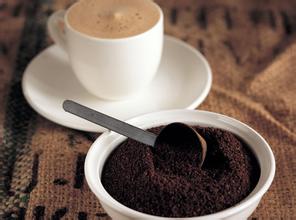
Fine coffee Rwanda Coffee characteristics introduction to Rwanda Coffee
Rwandans have been growing coffee since colonial times, but until 1999, its products were still classified as below Class C and were not popular in the global market. The reason for the poor quality is that farmers do not have a fixed procedure for washing coffee beans and do not process coffee fruits according to specifications in time. Buyers buy coffee beans at $0.33 per kilogram, and farmers keep warm by the meagre profits earned at low prices.

Fine coffee Rwanda coffee manor Rwanda coffee producing area
Rwandans have been growing coffee since colonial times, but until 1999, its products were still classified as below Class C and were not popular in the global market. The reason for the poor quality is that farmers do not have a fixed procedure for washing coffee beans and do not process coffee fruits according to specifications in time. Buyers buy coffee beans at $0.33 per kilogram, and farmers keep warm by the meagre profits earned at low prices.
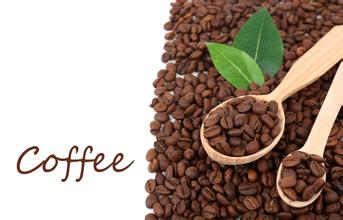
Boutique coffee Rwanda coffee flavor red apple, cherry, cinnamon, honey
Rwandans have been growing coffee since colonial times, but until 1999, its products were still classified as below Class C and were not popular in the global market. The reason for the poor quality is that farmers do not have a fixed procedure for washing coffee beans and do not process coffee fruits according to specifications in time. Buyers buy coffee beans at $0.33 per kilogram, and farmers keep warm by the meagre profits earned at low prices.
Fine coffee Rwanda coffee treatment method washing, elevated scaffolding sun drying
Rwandans have been growing coffee since colonial times, but until 1999, its products were still classified as below Class C and were not popular in the global market. The reason for the poor quality is that farmers do not have a fixed procedure for washing coffee beans and do not process coffee fruits according to specifications in time. Buyers buy coffee beans at $0.33 per kilogram, and farmers keep warm by the meagre profits earned at low prices.
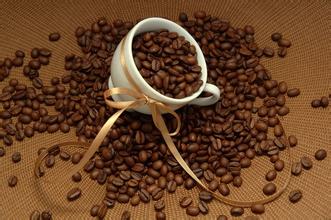
Boutique coffee Rwanda coffee producing area in the western province of Lutexilo
Rwandans have been growing coffee since colonial times, but until 1999, its products were still classified as below Class C and were not popular in the global market. The reason for the poor quality is that farmers do not have a fixed procedure for washing coffee beans and do not process coffee fruits according to specifications in time. Buyers buy coffee beans at $0.33 per kilogram, and farmers keep warm by the meagre profits earned at low prices.

Soft, fragrant Rwanda Coffee Flavor Manor Flavor characteristics of Fine Coffee beans
The first problem for Malaba coffee farmers is to set up a cleaning station. The coffee fruit must be transported to the cleaning station to wash the sugar under the skin of the coffee bean within 12 hours after picking, otherwise the flavor of the coffee will be greatly damaged. In July 2001, with UNR, the Ministry of Culture and Industry of Rwanda (Office des Cultures Industrielles du Rwanda,OCIR-Caf), ACD
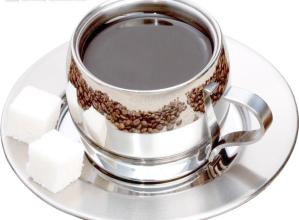
Coffee bean treatment method introduction what is coffee treatment method
After removing the pulp, the quality of coffee honey treatment was better than that of drying treatment, but not as good as washing treatment. This method of processing coffee beans by honey treatment has recently been sought after by coffee lovers. It has a sweet taste and is rich in Crema. It is suitable for extracting Espresso from the base of Italian coffee. The advantage is that it can restore the flavor of coffee beans, the coffee is more sweet, and the taste of red wine is stronger.
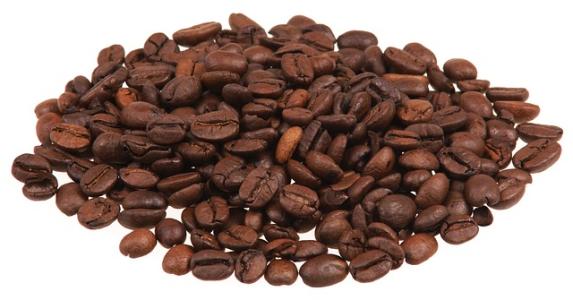
An introduction to the Historical Origin of Malaba Coffee in Rwanda
Following caf é (Wechat official account vdailycom) found that Malaba Coffee, Rwanda Malaba Coffee (Rwandan: Ikawa ya Maraba, French: Caf de Maraba) is a fair trade certified coffee grown in Malaba area of southern Rwanda. The coffee crop of Malaba is a bourbon variety of Arabica species.

Brief introduction of Rwanda Coffee beans how much is the coffee bean per jin
Malaba Coffee (Rwandan: Ikawa ya Maraba, French: Caf de Maraba) is Fairtrade certified coffee grown in the Malaba area of southern Rwanda. Malaba's coffee crop is a bourbon of the Arabica species and is grown in fertile volcanic soil on high-altitude hills. The fruits of coffee trees are mainly picked manually during the rainy season from March to May.
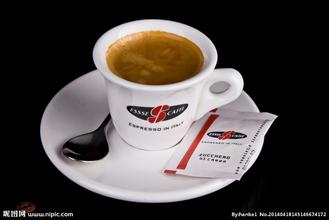
Introduction to the characteristics of Malaba Coffee Flavor Manor in Rwanda
The watershed between the Congo basin and the Nile basin runs through Rwanda from north to south, with about 80 per cent of the country draining from the Nile and about 20 per cent from the Ruzi River and Lake Tanganyika. The longest river in the country is the Niabalongo River (Nyabarongo River) in the southwest, which turns north, east and southeast and flows into the Luwuwu River to form the Kagaila River.
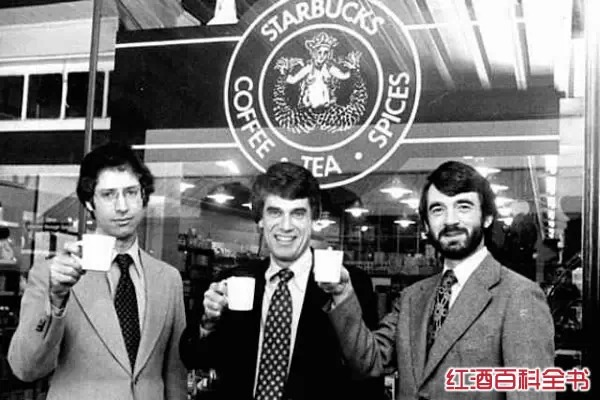
10 things you have to know about Starbucks
1. Starbucks was founded by two teachers and a writer. Although the chairman and CEO of Starbucks is Howard Schultz, he has been dealing with Starbucks since the 1980s. But in fact, Starbucks was founded by three good brothers without an MBA diploma: Gordon Bowker (writer), Zev Siegl (history teacher) and Jerry Baldwin (old English)

Make tea and coffee at home! DIY is your own unique flavor
Professional barista exchanges Please pay attention to the DIY atmosphere prevailing in coffee workshops (Weixin Official Accounts cafe_style). Many people want to roast tea or coffee by themselves and enjoy the "unique" flavor. However, the general machinery is too bulky to be roasted in small quantities. The tea industry improvement field has developed small multifunctional roasting machines and dryers. People will soon be able to DIY unique tea or coffee at home.

Behind every cup of coffee is a short story about Starbucks that you must not know.
Today, there is a Starbucks on almost every corner of the world's metropolis, but in 1971 it was just a small door that brought caffeine to sleepy people in Seattle. At this moment, there are still 24 years to go before the birth of the star ice music, and the founder never thought that the company could still go public, let alone no one would know that Pumpkin Spice Latte (pumpkin took.

What is the Roast Delta value? What is the use of the Roast Delta value of coffee roasting
Professional coffee knowledge exchange more coffee bean information please follow the coffee workshop (Wechat official account cafe_style) what is the "Roast Delta value"? It is the "difference" between the Agtron value of your coffee beans and the grinding Agtron value. For example, you roast a bean for Italian coffee, 15 minutes after the bean is cooled in the oven.

The most mysterious thing about brewing coffee is the roasted beans.
The most mysterious thing about brewing coffee is that the roasted beans not only contain fragrant flavor, but also contain other substances that taste bad. At the beginning of this century, the Italians found the correct conclusion: pressurizing water can separate these two kinds of substances more effectively. The oil is emulsified and extracted under pressure to form a reddish-brown foam-like crema. The delicious substances contained in crema
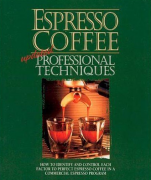
Chapter 6 of ESPRESSO COFFEE pump pressure
(Ⅵ) the most mysterious thing about pump pressure brewing coffee is that roasted beans not only contain fragrant flavor, but also contain other substances that taste bad. At the beginning of this century, the Italians found the correct conclusion: pressurizing water can separate these two kinds of substances more effectively. The oil is emulsified and extracted under pressure to form a reddish-brown foam-like crema.
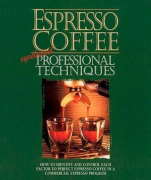
Chapter 6 of David Schomer's "ESPRESSO COFFEE"
(Ⅵ) the most mysterious thing about pump pressure brewing coffee is that roasted beans not only contain fragrant flavor, but also contain other substances that taste bad. At the beginning of this century, the Italians found the correct conclusion: pressurizing water can separate these two kinds of substances more effectively. The oil is emulsified and extracted under pressure to form a reddish-brown foam-like crema.

Interpretation of the "Shanghai roasted Coffee Open production license Review rules" own bakery must see!
Professional coffee knowledge exchange more coffee bean information please follow coffee workshop (Wechat official account cafe_style) Article Source: Shanghai Food and Drug Administration District Market Administration, Municipal Food and Drug Administration Certification and Evaluation Center: Shanghai roasted Coffee Open production license Review rules have been adopted by the 17th meeting of the Bureau on September 12, 2017. it is hereby issued.